Kategorie: Business & Workplace Security
-

The biggest SaaS security problem is no longer just the number of apps in the stack. It is the hidden accumulation of identities, OAuth grants, machine-to-machine tokens, and dormant admin pathways that quietly expand access far beyond what security teams believe they have approved. This is the great SaaS stacking problem: every new integration, plugin,…
-
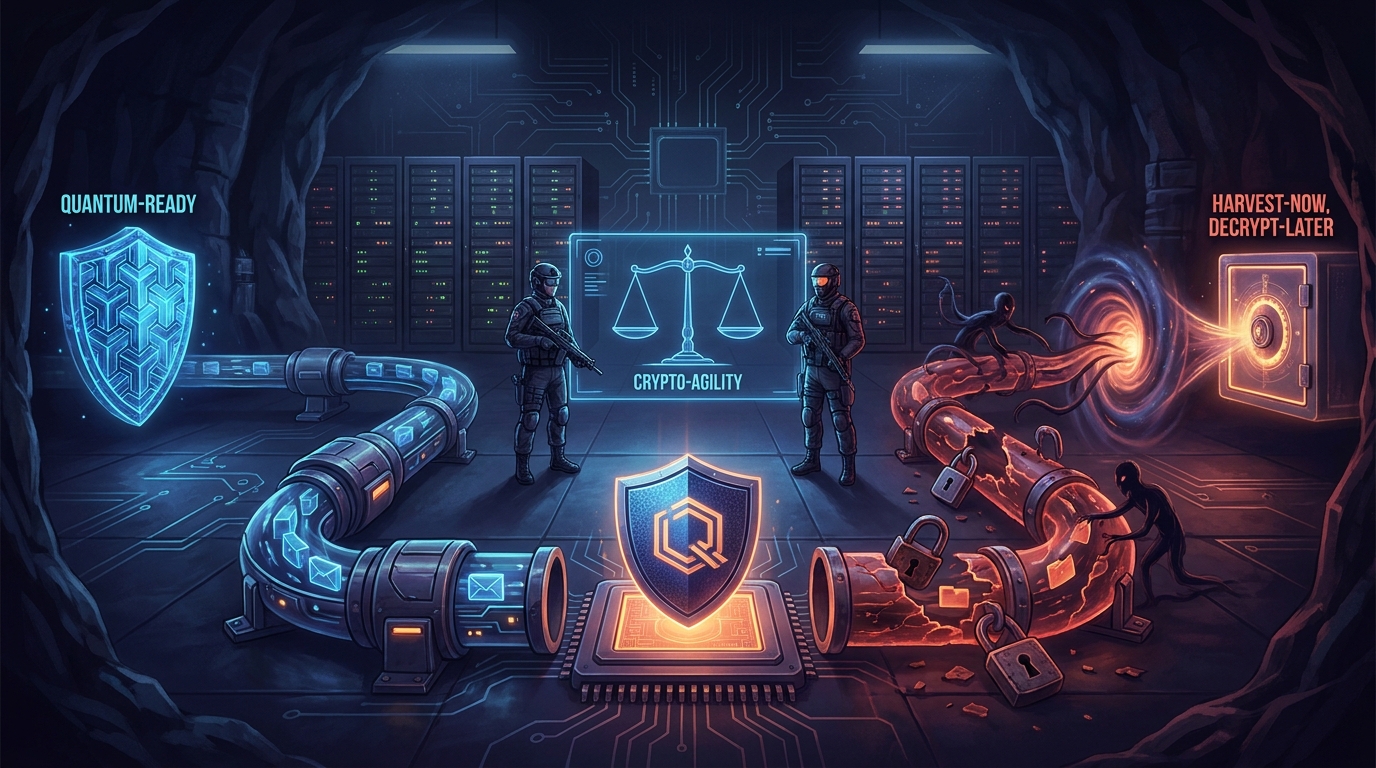
Quantum computing still has a long way to go before it can routinely break modern public-key cryptography at scale. That fact has become a dangerous comfort blanket for many security teams. The threat is not hypothetical, however: adversaries do not need a cryptographically relevant quantum computer today to profit from tomorrow’s decryption capability. They only…
-
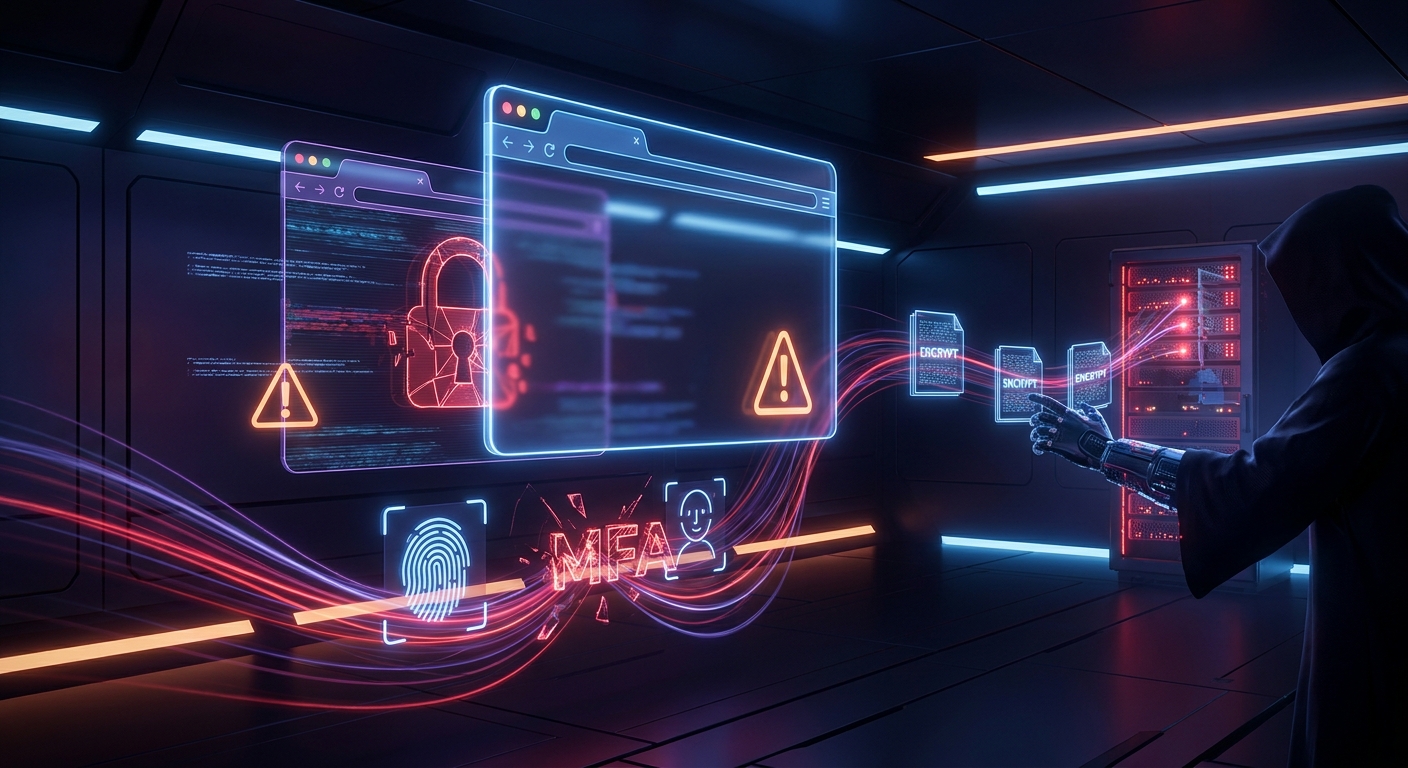
Fake SaaS login windows have moved from novelty phishing tricks into a serious enterprise risk. In 2026, the most effective campaigns rarely rely on crude spoofed domains or obvious typosquats alone. Instead, attackers increasingly stage authentication flows inside convincing browser-rendered pop-ups that mimic Microsoft 365, Google Workspace, Okta, Slack, GitHub, Apple, or internal single sign-on…
-
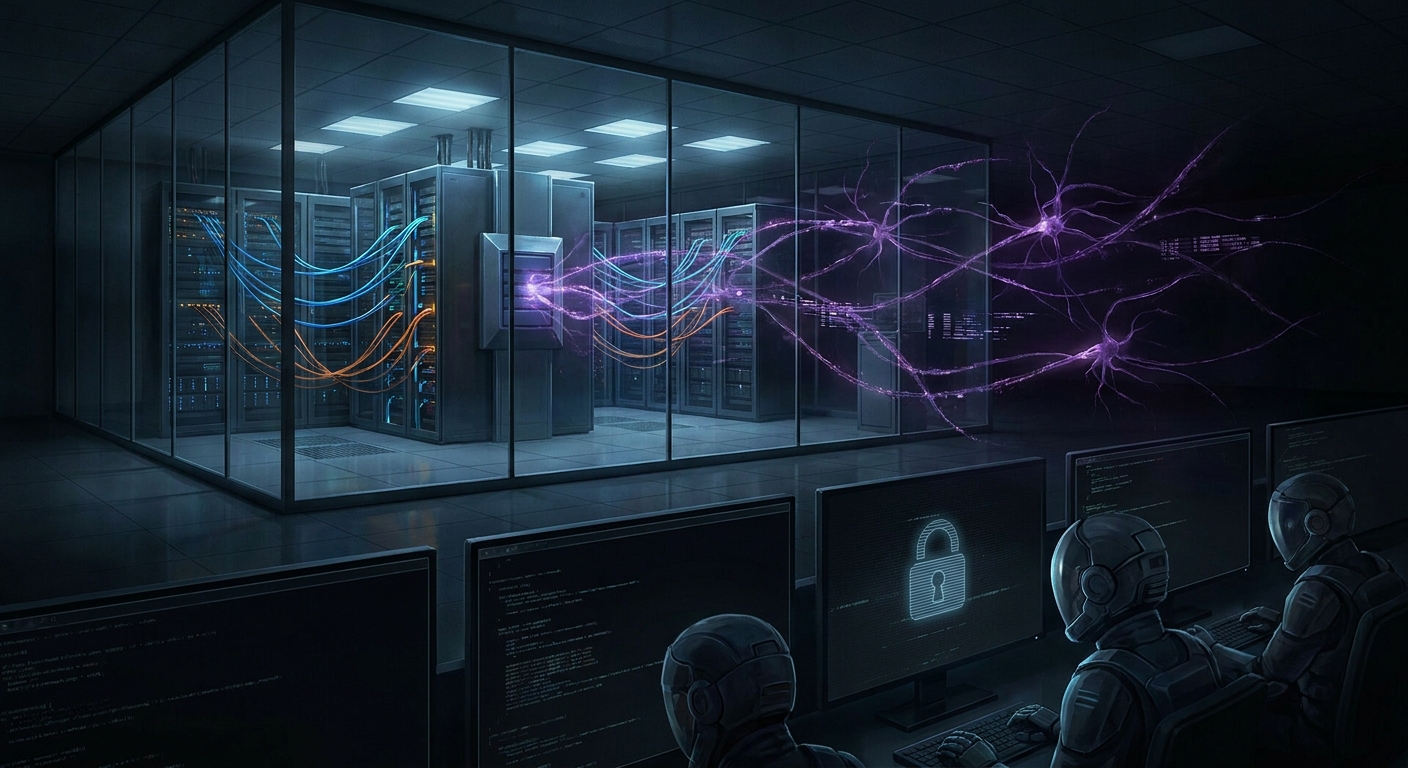
Shadow AI represents one of the most insidious security threats facing enterprises today—not because it’s technically sophisticated, but because it operates entirely outside the visibility of security teams. While organizations invest billions in perimeter defenses, threat detection, and compliance frameworks, employees are quietly funneling sensitive data into unapproved AI tools, creating what amounts to a…
-
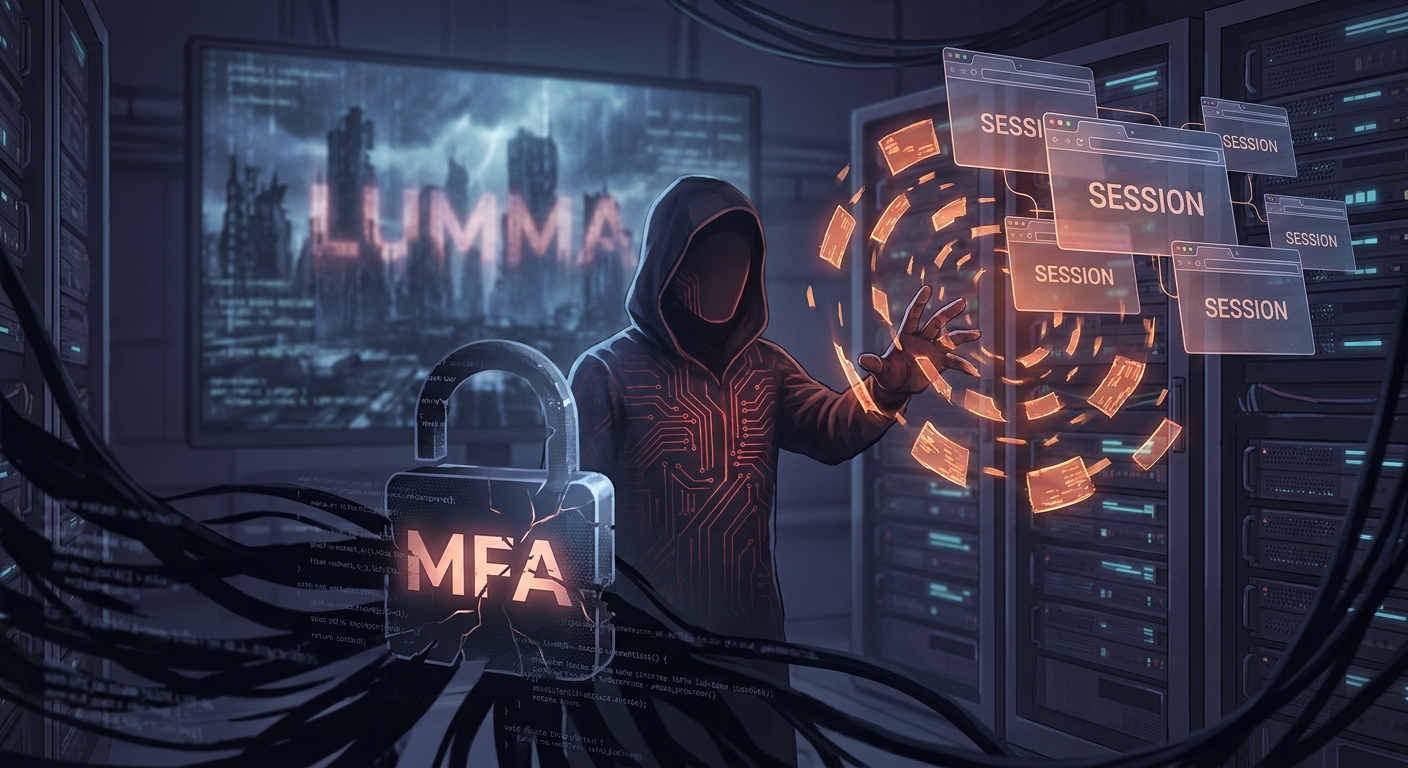
The Illusion of Safety: When Tokens Bypass Every Defense In the high-stakes world of cybersecurity, multi-factor authentication (MFA) has long been hailed as the unbreakable shield against unauthorized access. By requiring a second verification factor—be it a biometric scan, app-generated code, or hardware token—MFA promised to render stolen passwords irrelevant. Yet, a new breed of…
-

Volt Typhoon is not stealing data—they are preparing for conflict. A massive 3000-word deep dive into the Chinese state-sponsored group targeting US critical infrastructure, the KV-Botnet architecture, and the ‚Living off the Land‘ tradecraft that makes them nearly invisible.
-
How a 500ms delay saved the internet: A deep dive into the XZ Utils backdoor, the social engineering of Jia Tan, and the fragility of the open-source supply chain.
-
Supply chain attacks bypass traditional defenses by compromising trusted vendors. Learn how attackers exploit software pipelines, dependencies, and hardware, and what your organization can do to defend against them.