
The Illusion of Safety: When Tokens Bypass Every Defense
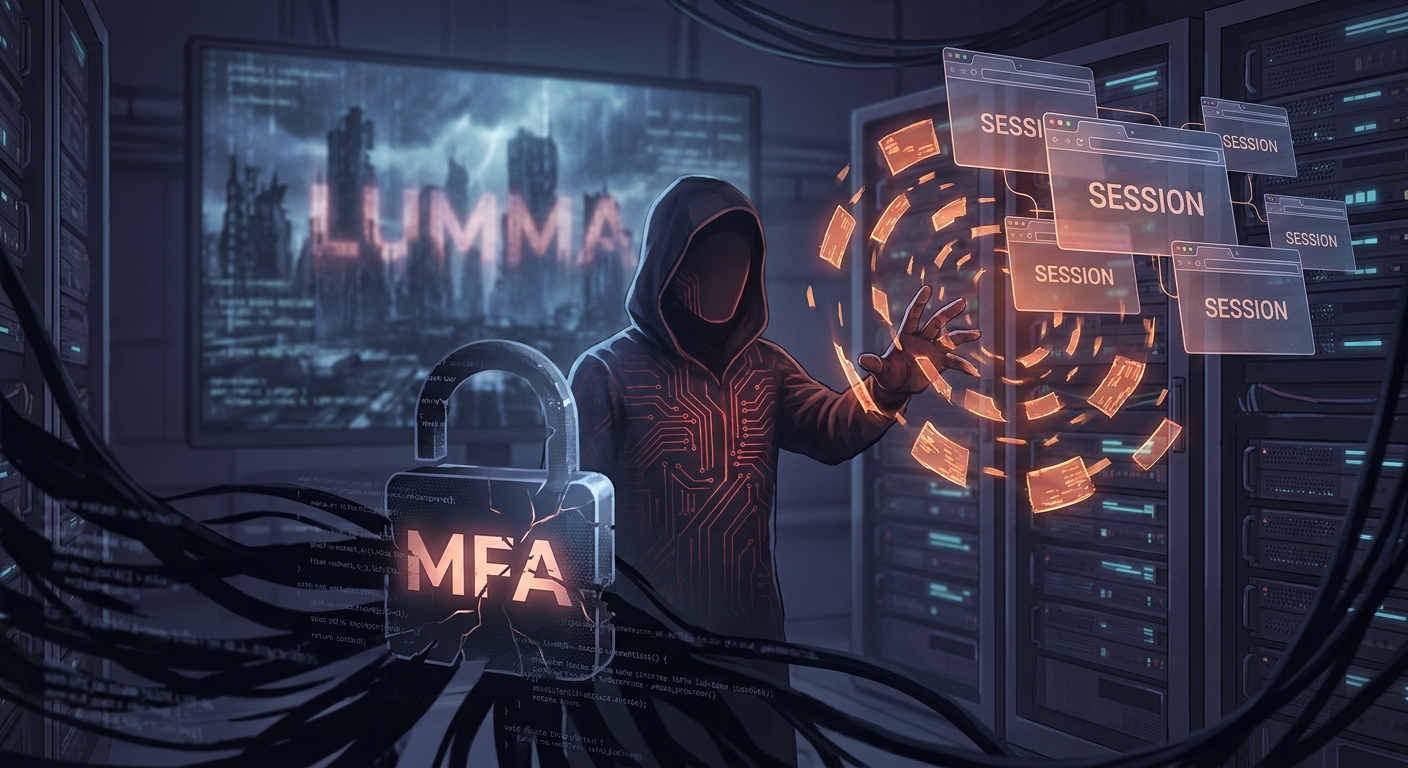
In the high-stakes world of cybersecurity, multi-factor authentication (MFA) has long been hailed as the unbreakable shield against unauthorized access. By requiring a second verification factor—be it a biometric scan, app-generated code, or hardware token—MFA promised to render stolen passwords irrelevant. Yet, a new breed of attacks is shattering this myth. Token theft, powered by sophisticated malware like LummaC2 and insidious session harvesting techniques, allows attackers to hijack active authentication sessions without ever touching a password or second factor.
Recent high-profile incidents, including breaches at major enterprises and government agencies, reveal the scale of the problem. Attackers are extracting session tokens from browsers, desktop apps, and even cloud environments, granting them god-like access to emails, chats, and sensitive data. NIST’s latest guidance underscores the urgency, warning that tokens and assertions are prime targets for forgery, theft, and misuse in modern identity systems.[1] This isn’t a theoretical risk—it’s a daily reality dismantling the security industry’s most trusted defense.
What Are Authentication Tokens and Why Do They Matter?
Authentication tokens are digital passports issued after successful login, enabling seamless access to services without repeated credential entry. These include OAuth access tokens, JSON Web Tokens (JWTs), and session cookies, which encapsulate user identity, permissions, and expiration data. Stored in browsers, local app databases, or memory, they persist for hours or days, bridging single sign-on (SSO) across platforms like Microsoft 365, Google Workspace, and enterprise VPNs.
The vulnerability stems from their design: tokens must be accessible to client applications for functionality, creating exploitable persistence points. Once stolen, they allow impersonation at the protocol level—bypassing MFA entirely because the token proves prior authentication. As detailed in cybersecurity analyses, a compromised token unlocks Microsoft Graph API endpoints for reading Teams chats, Outlook emails, and SharePoint files, all while masquerading as the legitimate user.[2]
The Mechanics of Token Storage and Exposure
- Browser-Based Tokens: Services like Google and Microsoft store encrypted cookies in SQLite databases (e.g., Chrome’s Cookies file or Edge’s WebView2 db). Malware decrypts these using stolen master keys from the browser’s login data.
- Desktop App Tokens: Microsoft Teams embeds a Chromium engine (msedgewebview2.exe) that writes tokens to AppData folders. Initial device access lets attackers extract them for persistent API abuse.[2]
- Cloud and API Tokens: Insecurely stored service accounts or OAuth refresh tokens in repos or configs enable long-term compromise.[5]
This persistence turns one-time breaches into prolonged invasions, evading traditional detection.
LummaC2: The Stealthy Infostealer Redefining Token Theft
LummaC2, also known as Lumma Stealer, emerged in 2022 as a commodity malware sold on underground forums for as little as $250 per month. By 2026, it has evolved into a powerhouse, infecting over 100,000 systems monthly and targeting high-value tokens in browsers, crypto wallets, and enterprise apps. Its name derives from „LummaC2,“ referencing its command-and-control infrastructure, which uses Telegram bots for exfiltration—making it resilient to takedowns.
What sets LummaC2 apart is its targeted session harvesting. Unlike generic keyloggers, it enumerates and decrypts tokens from over 1,000 extensions and apps, including 2FA token generators like Authy and hardware emulators. Security firms report LummaC2 campaigns hitting financial institutions, where stolen tokens fund wire transfer scams—attackers impersonate executives to authorize multimillion-dollar transfers.[4]
How LummaC2 Executes Token Heists
- Initial Infection: Delivered via phishing lures disguised as cracked software, fake updates, or malvertising on torrent sites. Social engineering exploits user trust, often bypassing email gateways.
- Privilege Escalation: Deploys UAC bypasses and process injection to run silently as the user, avoiding EDR alerts.
- Token Enumeration: Scans memory, files, and registries for tokens. Uses DPAPI (Data Protection API) decryption on Windows to unlock browser cookies and app data.
- Exfiltration: Bundles tokens with screenshots, clipboard data, and autofill creds, sending via HTTPS to C2 servers or Telegram.
- Monetization: Tokens sold on Genesis Market or used directly for account takeovers (ATOs).
Real-world impact: In Q1 2026, LummaC2 powered 40% of detected infostealer incidents, per threat intel reports. Victims include Fortune 500 firms, where stolen Entra ID (Azure AD) tokens granted domain admin access.
Session Harvesting: The Silent Killer of MFA
Session harvesting amplifies token theft by capturing live sessions mid-use. Attackers deploy Adversary-in-the-Middle (AitM) proxies or browser extensions to intercept tokens during authentication flows. Tools like Evilginx2 and custom phishing kits harvest both access and refresh tokens, enabling indefinite access even after password resets.
In Microsoft ecosystems, this manifests as „token replay“ attacks. A phished user authenticates against a fake login page; the attacker forwards credentials to the real service, captures the issued token, and proxies the legitimate response back. MFA prompts are satisfied, but the attacker retains the token for backend abuse—no second factor needed thereafter.[2]
Why MFA Fails Against Session Attacks
- Post-Auth Bypass: MFA verifies identity proofing, not ongoing session integrity. Tokens assume a trusted client.
- Refresh Token Abuse: Long-lived refreshers generate new access tokens silently, perpetuating access.
- API-Centric Exploitation: Modern apps rely on Graph APIs; tokens grant scoped permissions indistinguishable from legit use.
NIST IR 8587 explicitly calls out these vectors, recommending token binding, short lifetimes, and proof-of-possession checks to mitigate.[1]
Real-World Breaches: Tokens as the Weakest Link
The fallout is catastrophic. In a 2025 Microsoft Teams breach, attackers stole tokens from endpoint browsers, reading executive chats and launching internal phishing—undetected for weeks.[2] Wire fraud rings use LummaC2-harvested tokens to spoof BEC (Business Email Compromise) emails, netting $500M+ annually.[4]
Government sectors fare worse: Stolen Entra tokens exposed classified repos and email archives.[5] Crypto platforms suffer token theft enabling wallet drains, with LummaC2 variants targeting Ledger and Trezor emulators.
| Attack Vector | Target | Impact | Mitigation Gap |
|---|---|---|---|
| LummaC2 Infostealer | Browsers, Teams, VPNs | Full account takeover | MFA ineffective post-theft |
| Session Harvesting (Evilginx) | SSO Flows | Persistent API access | No client attestation |
| Token Replay | OAuth/JWT | Domain escalation | Weak revocation |
Industry Wake-Up: NIST and Beyond
Regulators are responding. NIST IR 8587, released in December 2025, mandates protections for federal systems: token encryption at rest, mutual TLS for issuance, and anomaly-based revocation.[1] CISA’s Joint Cyber Defense Collaborative pushes CSPs like AWS, Azure, and Google to implement sender-constrained tokens and hardware-bound keys.
Yet gaps persist. Commodity stealers like LummaC2 outpace patches, with variants evading signature-based AV. Enterprises scramble with EDR tools monitoring token files, but detection lags exploitation.
Defending Against the Inevitable: Actionable Strategies
No silver bullet exists, but layered defenses can blunt token theft:
- Endpoint Hardening: Deploy ML-based EDR to block infostealers. Ban personal devices; enforce AppLocker for whitelisting.[4]
- Token Lifecycle Controls: Shorten token lifetimes (<1 hour), enable proof-of-possession (PoP), and bind to device fingerprints per NIST.[1]
- Phishing-Resistant MFA: Shift to FIDO2/passkeys or certificate-based auth, rejecting SMS/OTP.
- Behavioral Analytics: Monitor Graph API for anomalous access (e.g., IP geolocation mismatches, unusual endpoints).
- Zero Trust Architecture: Assume breach—segment access, just-in-time privileges, and continuous verification.
- Token Whitelisting: Restrict API calls to approved clients, blocking stolen tokens.[3]
Organizations must audit token exposures via tools like BloodHound for Entra or custom scripts for browser dbs.
The Road Ahead: Rebuilding Trust in Identity
Token theft signals MFA’s obsolescence in its current form. As LummaC2 and session harvesters proliferate, the industry faces a paradigm shift toward passwordless, tokenless auth—leveraging biometrics, TPM-bound keys, and AI-driven session guardians. Hyperscalers investing billions in identity fabrics will prioritize these, but adoption lags.
Cybercriminals evolve faster than defenders; LummaC2’s Telegram C2 ensures longevity. Security teams must treat tokens as toxic—ephemeral, verifiable, and revocable. The death of traditional MFA isn’t the end; it’s the catalyst for resilient identity paradigms.
For cybersecurity professionals, the imperative is clear: inventory tokens today, simulate theft tomorrow, and harden relentlessly. In this new era, vigilance isn’t optional—it’s survival.