

In the shadowy history of cyber warfare, most campaigns are loud. Ransomware groups scream for attention with encrypted screens and countdown timers. Data thieves announce their presence by dumping gigabytes of stolen identities on dark web forums. But Volt Typhoon is different. They didn’t come to steal, and they didn’t come to encrypt. They came to wait.
Since at least mid-2021, this state-sponsored actor attributed to the People’s Republic of China (PRC) has been methodically burrowing into the critical infrastructure of the United States. Their targets are not financial or intellectual property repositories, but the operational technology (OT) systems that control power grids, water treatment plants, and communications networks—specifically around key military logistics hubs like Guam.
This article is a comprehensive technical and strategic analysis of Volt Typhoon. We will dissect their unique „Living off the Land“ tradecraft, analyze the architecture of the KV-Botnet that powers their stealth, and explore why intelligence agencies believe this is not espionage, but pre-positioning for kinetic conflict.
The Strategic Imperative: Why Guam?
To understand the technical choices of Volt Typhoon, one must first understand the geopolitical map. Guam is a small island territory in the Western Pacific, but it is the linchpin of American power projection in Asia. It hosts Andersen Air Force Base and Naval Base Guam. In the event of a conflict over Taiwan, Guam would be the primary logistics hub for US response.
By compromising communications and power utilities on the island, Volt Typhoon aims to disrupt the ability of the US military to mobilize. This is the digital equivalent of mining a harbor before a war is declared. The goal is to induce panic and logistical paralysis at the precise moment of crisis.
The KV-Botnet: A Covert Infrastructure
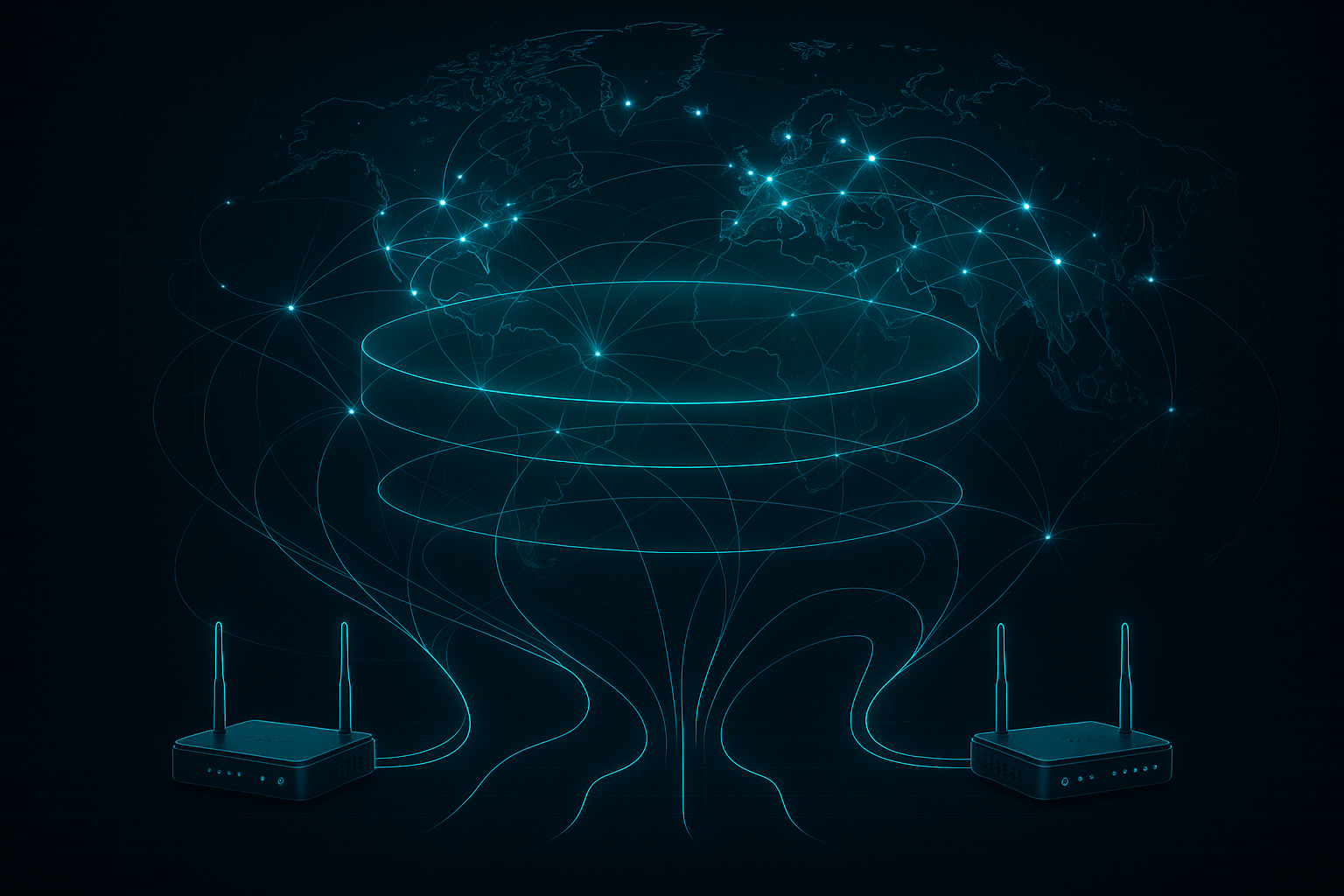
Sophisticated actors need sophisticated infrastructure to hide their tracks. Volt Typhoon does not route attacks directly from Beijing. Instead, they utilize a complex, multi-layered proxy network known as the KV-Botnet.
Unlike traditional botnets built on infected Windows PCs, the KV-Botnet is comprised almost entirely of End-of-Life (EOL) Small Office/Home Office (SOHO) routers. The primary targets include:
- Cisco RV320/325 routers
- Netgear ProSAFE firewalls
- Axis IP cameras
- DrayTek Vigor routers
Why these devices? Because they sit at the edge of networks, rarely have antivirus software, and often run outdated firmware that cannot be patched. Once compromised, they become „Operational Relay Boxes“ (ORBs). Traffic routed through an ORB looks like legitimate traffic from a small business or home user in the US, allowing Volt Typhoon to bypass geo-blocking filters.
The Architecture of Stealth
The KV-Botnet is segmented into two tiers to protect the core infrastructure:
- The Edge Layer: These are the compromised routers closest to the victim targets. They are expendable and change frequently.
- The Core Layer: These are more stable nodes that manage the traffic and connect back to the operators.
Lumen Technologies‘ Black Lotus Labs revealed that the botnet operates entirely in memory (RAM-only). A simple reboot clears the infection. This makes forensic analysis incredibly difficult but also requires the attackers to constantly re-infect devices to maintain the network—a task they have automated with ruthless efficiency.
Living off the Land: Hiding in Plain Sight
Once inside a target network, Volt Typhoon’s tradecraft shifts from exploitation to blending in. They almost never drop custom malware files onto the disk, which would trigger Endpoint Detection and Response (EDR) alerts. Instead, they use Living off the Land (LotL) techniques.
LotL involves using the administrative tools that are already installed on the operating system. To a security analyst, their activity looks indistinguishable from a legitimate system administrator working late.
The Toolbox
Forensic reports from CISA and Microsoft detail the specific Windows commands abused by Volt Typhoon:
- wmic (Windows Management Instrumentation): Used to gather system information (`wmic process list`, `wmic service list`).
- ntdsutil: A legitimate Active Directory diagnostic tool abused to create snapshots of the Active Directory database, allowing attackers to steal password hashes offline.
- PowerShell: Used for everything from network scanning to executing scripts purely in memory.
- netsh: Used to set up port forwarding proxies, turning compromised servers into internal jump boxes.
By exclusively using these tools, Volt Typhoon leaves no file hash signatures to ban. Detection requires behavioral analysis—noticing that `ntdsutil` was run at 3 AM by a user account that normally works 9-5.
Technical Deep Dive: The Attack Chain
Let’s reconstruct a typical Volt Typhoon intrusion lifecycle based on incident response data.
Phase 1: Initial Access via Edge Devices
The group targets internet-facing appliances like Fortinet FortiGuard or ManageEngine. They exploit known vulnerabilities (often N-day vulnerabilities where patches exist but haven’t been applied) to gain a foothold in the DMZ.
Phase 2: Credential Dumping
Once on the edge, they move laterally to the domain controller. Using `lsass` dumping techniques or the aforementioned `ntdsutil`, they harvest credentials. Their goal is valid user accounts—specifically legitimate administrator accounts. They do not want to create new backdoors; they want the keys to the front door.
Phase 3: The LotL Persistence
They maintain access not by installing a RAT (Remote Access Trojan), but by managing the network. They create scheduled tasks that execute legitimate binaries to „phone home.“ They modify firewall rules using `netsh`. They essentially become the shadow IT department of the victim organization.
The Defense Dilemma
Defending against Volt Typhoon is one of the hardest challenges in modern cybersecurity. How do you block an attacker who uses your own tools and your own valid credentials?
1. Hardware Lifecycle Management: The KV-Botnet thrives on EOL devices. Organizations must aggressively retire hardware that no longer receives security updates. If it can’t be patched, it can’t be on the internet.
2. Behavioral Analytics (UEBA): Security Operations Centers (SOCs) must shift focus from signatures to behaviors. Alerting on „impossible travel“ logins, unusual administrative command execution, or massive data staging events is critical.
3. Enhanced Logging: PowerShell logging and Command Line auditing must be enabled. Without detailed logs of what commands were run, an investigation into a LotL attack is essentially blind.
The Future of Pre-Positioning
The FBI’s disruption of the KV-Botnet in early 2024 was a tactical victory, but the strategic threat remains. Volt Typhoon has demonstrated that they can rebuild infrastructure quickly. As geopolitical tensions rise, the digital battlefield is being prepared. The silent storm is already inside the wires; the question is no longer if they will strike, but when.