

Ransomware has evolved from crude encryption tactics into a sophisticated, industrialized criminal enterprise. The emergence of Ransomware-as-a-Service (RaaS) platforms has fundamentally changed the threat landscape, democratizing attacks and enabling even low-skilled criminals to conduct devastating operations against organizations worldwide.
The Evolution of Ransomware
The ransomware ecosystem has matured dramatically over the past five years. Early ransomware attacks were relatively simple: encrypt files, demand payment, hope the victim pays. Today’s ransomware operations are sophisticated criminal enterprises with established business models, customer support, affiliate programs, and negotiation procedures.
What is Ransomware-as-a-Service?
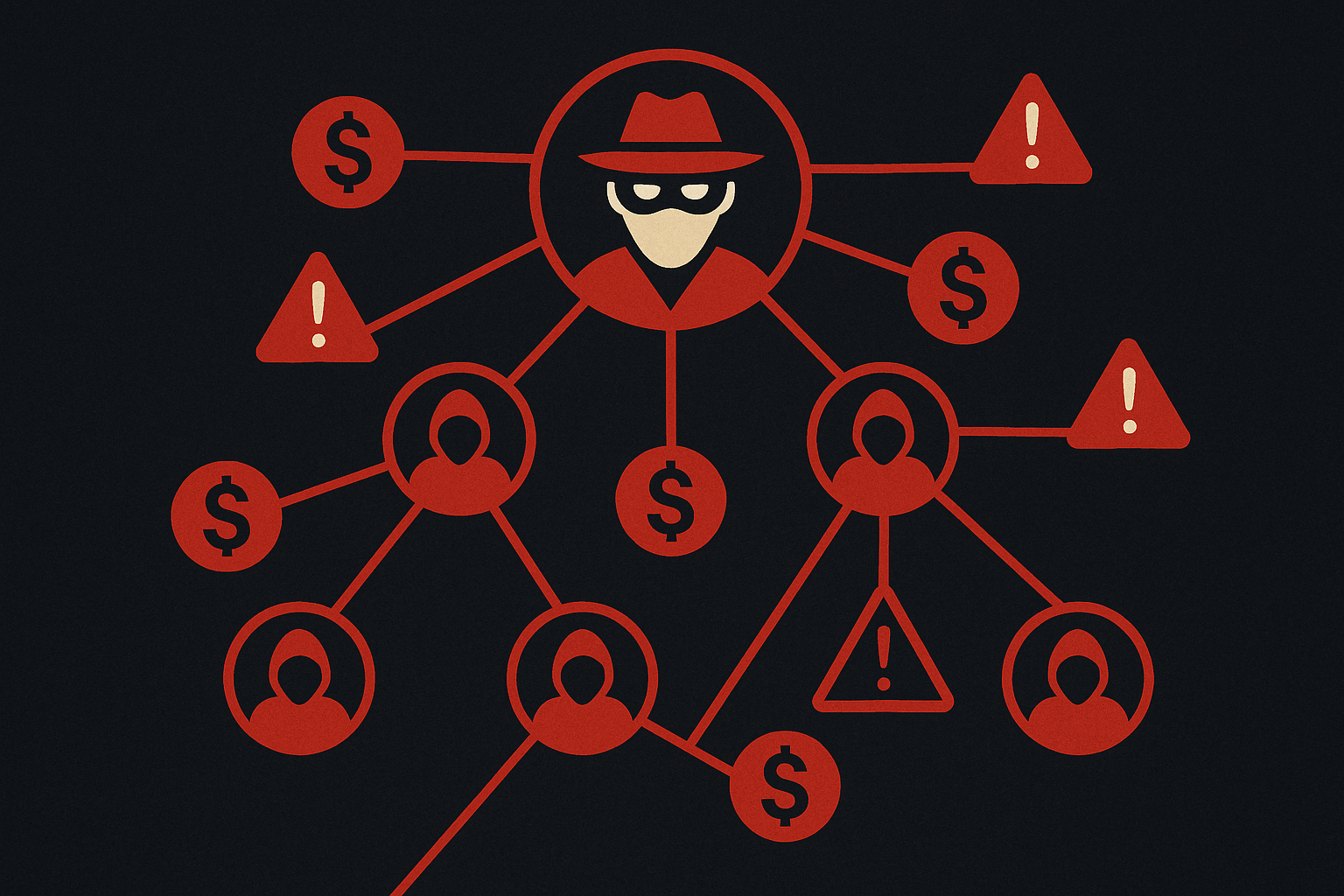
RaaS is a criminal business model where established ransomware groups provide their malware, infrastructure, and support to affiliates for a percentage of ransom payments. It is a franchise system for cybercrime.
A typical RaaS operation works like this: The RaaS operator develops malware, maintains command-and-control infrastructure, and handles ransom negotiations and payment processing. Affiliates purchase or are invited to use the ransomware and are responsible for infiltrating target networks. Once ransomware is deployed and files encrypted, the victim negotiates with the criminal group, often through a dark web portal.
When payment is made (typically in Bitcoin or Monero), the RaaS operator takes a percentage—often 20-40%—and the affiliate keeps the rest.
Major RaaS Platforms
Several notorious RaaS platforms have dominated the landscape:
- LockBit – The largest and most active RaaS platform, responsible for thousands of attacks globally.
- BlackCat/ALPHV – Sophisticated operation targeting large enterprises for maximum ransom demands.
- Cl0p – Known for zero-day exploitation and targeting software developers.
- Royal – Newer platform focusing on negotiation and payment recovery.
- Alphonso – Emerged in 2024 with advanced encryption claims.
The Economics of Ransomware-as-a-Service
RaaS operations are fundamentally economic enterprises. The business model only works because victims pay ransoms. Average ransom demands have skyrocketed—in 2023, median ransoms for large organizations exceeded 800 thousand dollars, with some demands reaching tens of millions.
The profitability attracts investment and talent. Successful RaaS operators recruit skilled developers, security researchers, and infrastructure specialists. Some have even advertised careers on dark web forums, complete with job descriptions and benefits packages.
How RaaS Attacks Unfold
A typical RaaS attack follows predictable stages:
Reconnaissance
Attackers identify target organizations by researching company size, industry, financial health, and security posture. They look for vulnerable internet-facing applications, weak credentials, and unpatched systems.
Initial Access
Access is typically gained through phishing emails, exploit kits targeting known vulnerabilities, credential stuffing, or purchased compromised credentials from the dark web. Weak remote desktop protocol (RDP) credentials are particularly valuable.
Persistence and Lateral Movement
Once inside, attackers establish persistence mechanisms to maintain access even if initial compromise vectors are patched. They then move laterally through the network, escalating privileges and identifying valuable assets.
Data Exfiltration
Modern ransomware operators are double extortioners—they not only encrypt data but also exfiltrate it. They threaten to publicly release sensitive information unless the victim pays additional ransom.
Encryption and Demand
The ransomware is deployed across the network, encrypting critical files and systems. Victims receive instructions to access a dark web portal where they can negotiate with the attackers. Initial demands are often inflated; actual negotiations result in 20-50 percent discounts.
The Impact on Organizations
Ransomware attacks inflict damage far beyond ransom costs. Victims face operational downtime lasting days or weeks, data breach notification costs, regulatory fines, and reputational harm. In critical infrastructure sectors—healthcare, energy, water treatment—attacks can endanger lives.
The healthcare sector has been particularly hard hit. Hospitals have had to divert emergency patients, postpone surgeries, and lose access to patient records. Some have paid ransoms exceeding five million dollars to restore operations.
Defending Against RaaS Attacks
Email Security and User Training
Most RaaS attacks begin with phishing. Implement advanced email filtering, require multi-factor authentication on all accounts, and conduct regular security awareness training.
Credential Management
Enforce strong password policies, use password managers, and implement passwordless authentication where possible. Regularly audit privileged accounts and disable unused credentials.
Vulnerability Management
Maintain a comprehensive asset inventory and prioritize patching critical vulnerabilities. RaaS operators exploit known vulnerabilities that organizations have simply failed to patch.
Network Segmentation
Divide your network into isolated segments so that if one segment is compromised, attackers cannot easily move laterally to critical systems. Restrict access between segments and monitor inter-segment traffic.
Backup and Recovery
Maintain offline, immutable backups of critical data that cannot be encrypted or deleted by ransomware. Test recovery procedures regularly. A robust backup strategy can render ransomware economically pointless.
Endpoint Protection and EDR
Deploy endpoint detection and response (EDR) solutions that can detect and block ransomware execution. Modern EDR tools use behavioral analytics to identify suspicious activity even from unknown malware variants.
Incident Response Planning
Develop and regularly test an incident response plan specifically for ransomware. Know which systems are critical, how to isolate compromised systems, and how to coordinate with law enforcement.
The Law Enforcement Response
Governments have begun cracking down on RaaS operations. The FBI has sanctioned ransomware operators, several countries have indicted ransomware leaders, and law enforcement has successfully recovered some ransom payments. However, prosecuting criminals operating from countries without extradition treaties remains challenging.
Conclusion
Ransomware-as-a-Service represents a critical evolution in cybersecurity threats. By commoditizing attacks and lowering technical barriers, RaaS platforms have enabled widespread, high-impact attacks. The economic incentives are strong, the barriers to entry are low, and the consequences for victims are severe. Defending against RaaS requires a comprehensive, multi-layered approach: strong credentials, network segmentation, rapid patching, robust backups, and advanced detection. The goal is not perfect prevention—it is making your organization a less attractive target than competitors.